

How Medical Uniform Manufacturers Are Designing Apparel for Long Clinical Shifts
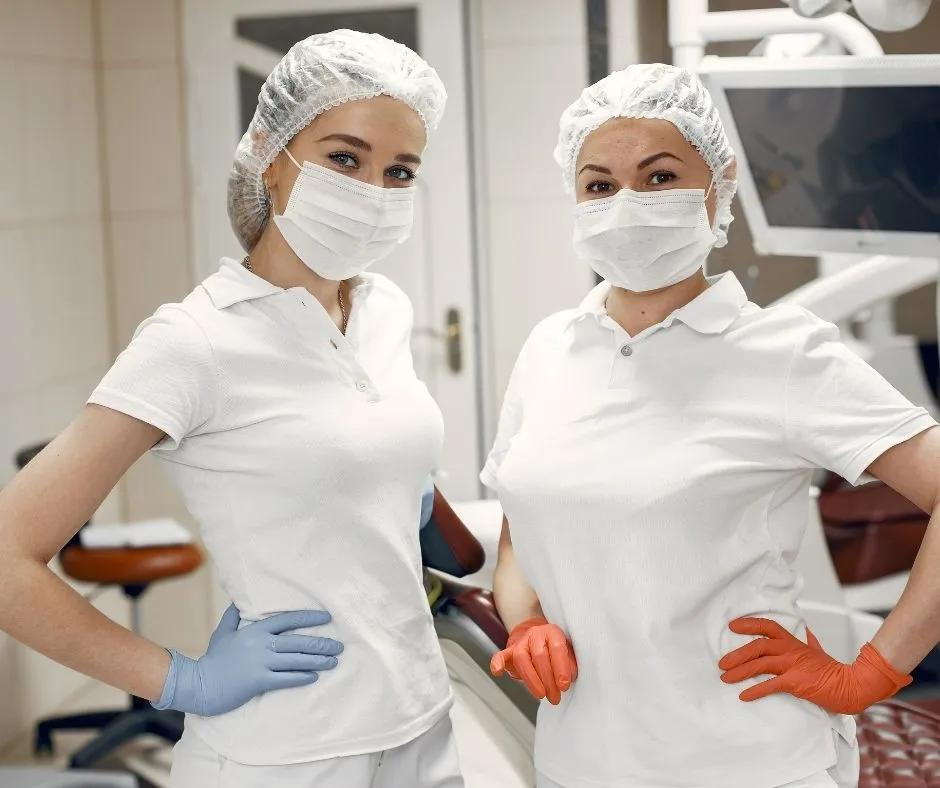
Healthcare professionals often face long, demanding shifts that test both physical endurance and mental focus. For this reason, every Medical Uniform Manufacturer today focuses on designing apparel that is not just functional but also comfortable, durable, and hygienic. Modern medical uniforms go beyond simple scrubs or lab coats; they are carefully engineered to support healthcare workers throughout twelve-hour or longer shifts, helping them maintain energy, professionalism, and confidence while meeting strict hygiene standards.
Understanding the Demands of Long Shifts
Healthcare environments are fast-paced and physically demanding. Nurses, doctors, and support staff often move between patients, equipment, and administrative tasks without pause. Traditional fabrics and poorly designed uniforms can create discomfort, reduce efficiency, and even contribute to fatigue. Modern manufacturers conduct extensive research, collaborating directly with hospitals and clinics to understand the real-life challenges faced by medical staff. This research informs everything from fabric selection to garment construction, ensuring that uniforms meet the ergonomic, hygiene, and aesthetic needs of long clinical shifts.
Fabric Innovation for Comfort and Performance
The choice of fabric is a critical factor in uniform design. High-performance textiles combine the softness of cotton with the durability and stretch of synthetic fibers. Many fabrics now feature moisture-wicking technology to manage sweat and prevent discomfort during extended shifts. Antimicrobial treatments reduce odor and bacterial growth, while stain-resistant coatings keep uniforms looking fresh and professional. Lightweight, breathable fabrics improve thermal regulation, ensuring that staff remain comfortable in both air-conditioned operating rooms and warmer patient wards.
Ergonomic Design and Mobility
Modern uniforms incorporate ergonomic features that improve mobility and reduce strain. Manufacturers add stretch panels in areas like the shoulders, waist, and knees, allowing healthcare professionals to bend, lift, and move with ease. Pleated backs, gussets, and articulated seams further enhance flexibility. Thoughtful pocket placement ensures essential tools, phones, and personal items are easily accessible without interfering with movement. Ergonomic design helps staff maintain energy levels, reduces fatigue, and minimizes the risk of repetitive stress injuries during long shifts.
Infection Control and Safety
Infection prevention is central to uniform design. Modern medical uniforms often include antimicrobial fabrics that inhibit bacterial growth and reduce odors. Fluid-resistant coatings provide an additional layer of protection, preventing spills from contaminating the wearer or patient environment. Reinforced stitching and durable seams ensure that uniforms maintain structural integrity even under repeated industrial laundering. By combining comfort with protective features, manufacturers help staff meet rigorous hygiene standards while ensuring personal safety.
Thermal Regulation and Climate Adaptation
Healthcare environments vary widely in temperature and humidity. To address this, uniforms now feature moisture-wicking fabrics, ventilated panels, and layered construction to regulate body temperature. These innovations prevent overheating in high-stress areas and maintain warmth where needed. Uniforms tailored for different climates and hospital zones reduce discomfort and fatigue, allowing staff to stay focused and alert during long shifts.
Psychological Impact and Professionalism
Uniforms also contribute to professional identity and workplace morale. High-quality fabrics with a polished finish create a sense of pride and instill confidence in staff, which positively affects patient perception. Color, fit, and texture are carefully considered to reinforce professionalism. Comfortable and well-designed uniforms provide subtle psychological benefits, reducing stress and promoting a sense of control in a fast-paced healthcare environment.
Sustainability and Ethical Manufacturing
Sustainability has become a significant concern in healthcare apparel. Manufacturers are using recycled fibers, eco-friendly dyes, and water-efficient production techniques to reduce environmental impact. Durable, long-lasting fabrics allow uniforms to withstand repeated industrial washes, reducing waste and overall costs. Sustainable medical uniforms reflect a growing awareness of environmental responsibility while maintaining the high standards required for long clinical shifts.
Customization for Different Roles
Healthcare facilities require uniforms suited to diverse roles. Surgical teams often need fluid-resistant scrubs, while administrative personnel benefit from lightweight, wrinkle-resistant fabrics. Manufacturers now offer customizable uniforms with tailored fabric weights, pocket placements, and antimicrobial treatments to meet these varying demands. Customization ensures that all staff have uniforms optimized for their specific responsibilities, improving efficiency and comfort.
Fastening, Closures, and Functional Details
Even small design details like buttons, zippers, and waistbands impact comfort and functionality. Stretchable waistbands, reinforced zippers, and magnetic closures reduce strain and allow quick access to tools and personal items. Thoughtful functional details ensure that uniforms remain practical and professional during long, busy shifts.
Integration of Smart Textiles
The future of medical uniform design includes smart textiles capable of monitoring vital signs, regulating temperature, and tracking movement. While still emerging, these innovations promise to further enhance comfort, reduce fatigue, and improve safety. Manufacturers that adopt smart textile technology are setting the next standard for uniforms designed for extended clinical use.
Bullet Points: Key Features of Modern Long-Shift Uniforms
Breathable, moisture-wicking fabrics to maintain comfort throughout shifts.
Antimicrobial and fluid-resistant properties for infection prevention.
Ergonomic construction including stretch panels and pleats for mobility.
Strategically placed pockets for essential tools and devices.
Sustainable and durable fabrics that withstand industrial laundering.
Customizable designs for various clinical roles and departments.
Advanced fastening and closure systems for ease of movement.
Smart textile integration for temperature control and performance monitoring.
Conclusion
Designing uniforms for long clinical shifts requires a comprehensive approach that balances comfort, functionality, hygiene, and professional appearance. Modern Medical Uniform Manufacturers integrate fabric innovation, ergonomic design, sustainability, and customization to ensure healthcare professionals remain energized, safe, and confident during extended shifts. By embracing these advancements, manufacturers redefine medical apparel as essential tools that support the health, efficiency, and morale of healthcare teams, setting a new standard for performance-driven workwear in hospitals and clinics worldwide.